


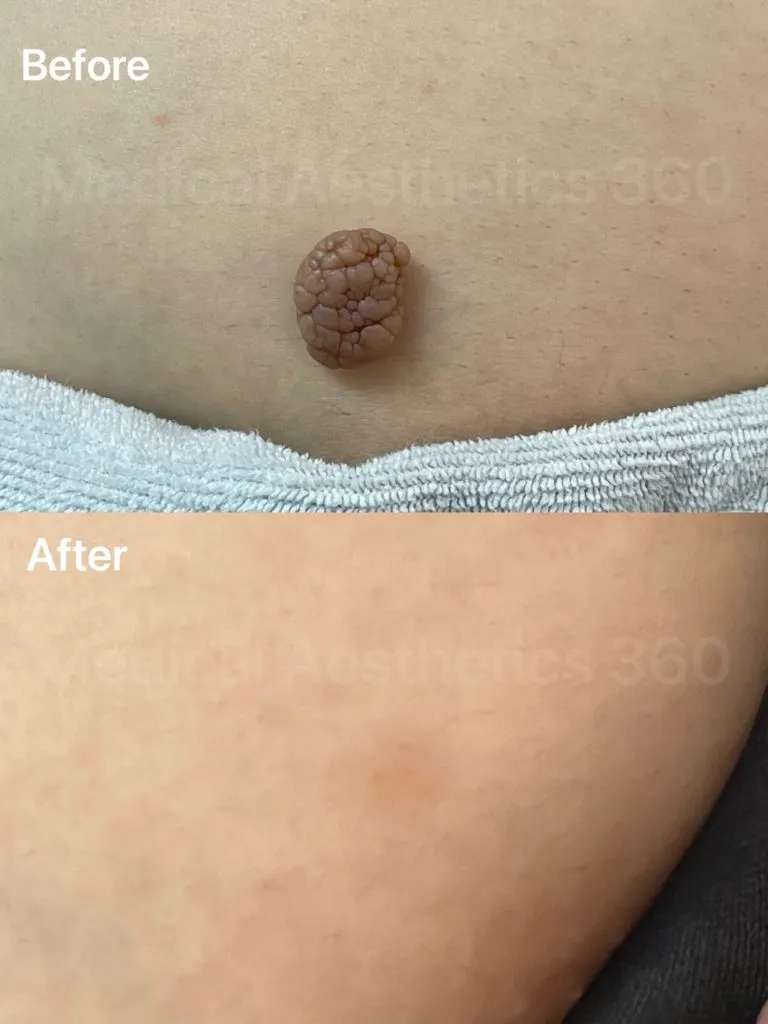
Precision Erbium Laser Skin Tag Removal
A raised, bumpy skin tag had become increasingly uncomfortable and was reviewed for precise removal planning.
Assessment-first removal planning for skin tags, raised lumps, raised moles, lip growths, eyelid tags and other benign-looking lesions in Chatswood, Hurstville and Sydney.
A small lump can be irritating, visible in photos, catch on jewellery or clothing, or sit in a delicate area such as the eyelid or lip. At Medical Aesthetics 360, the first step is to assess what is being treated, whether removal is suitable, and which method best supports a neat cosmetic outcome.
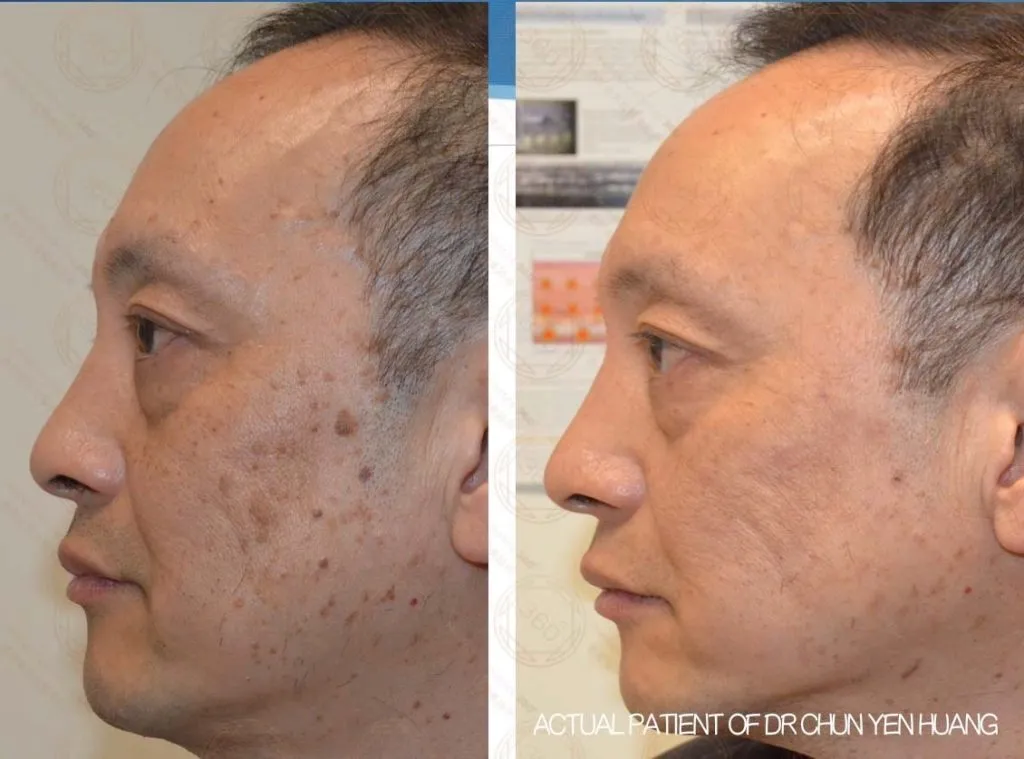
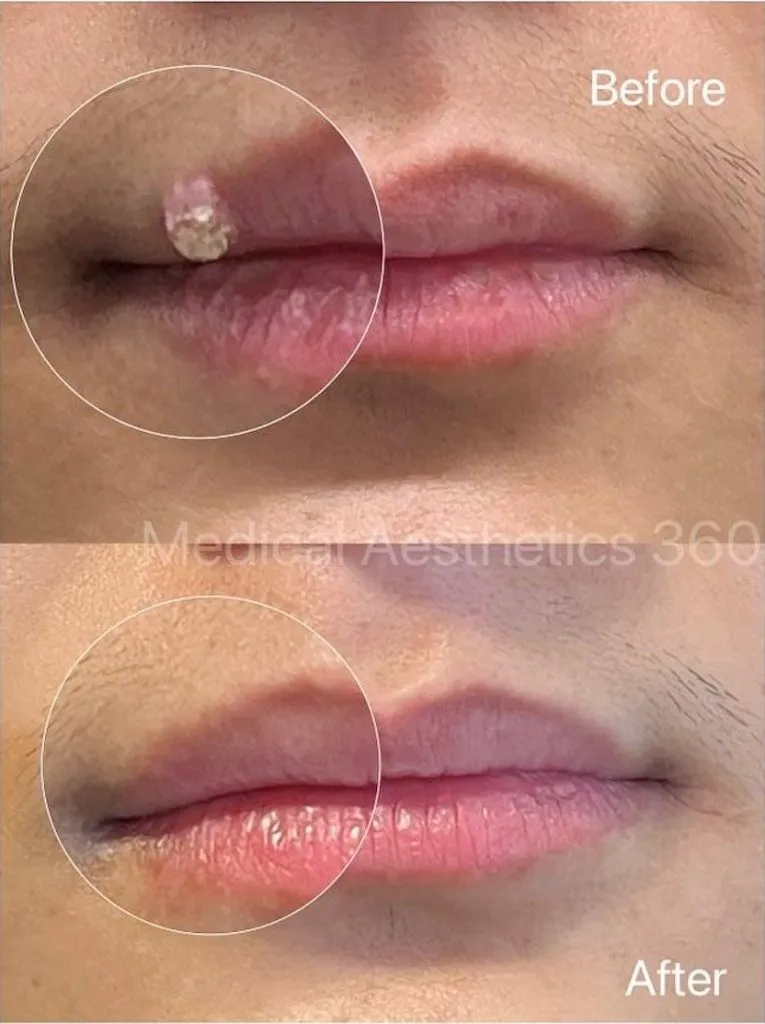
Examples are shown near the top so patients can review real clinical scenarios before reading treatment details.
A raised, bumpy skin tag had become increasingly uncomfortable and was reviewed for precise removal planning.
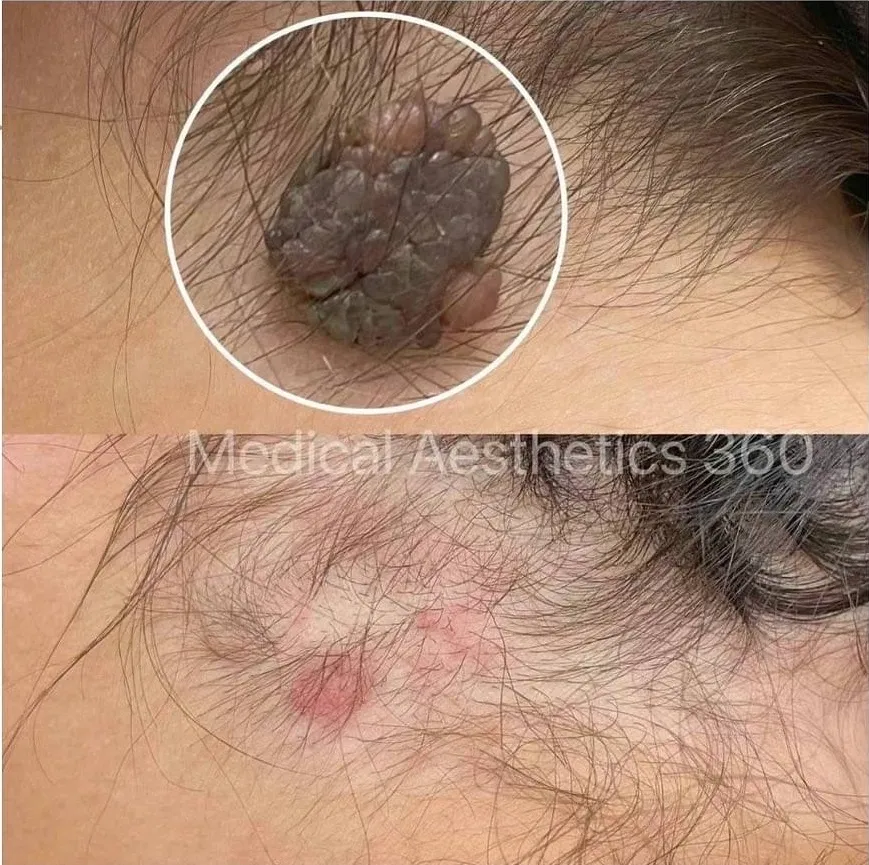
A long-standing raised lesion on the side of the head was catching on hair and accessories, causing irritation.
A small facial lump near a visible area was assessed for a cosmetic-minded removal pathway.
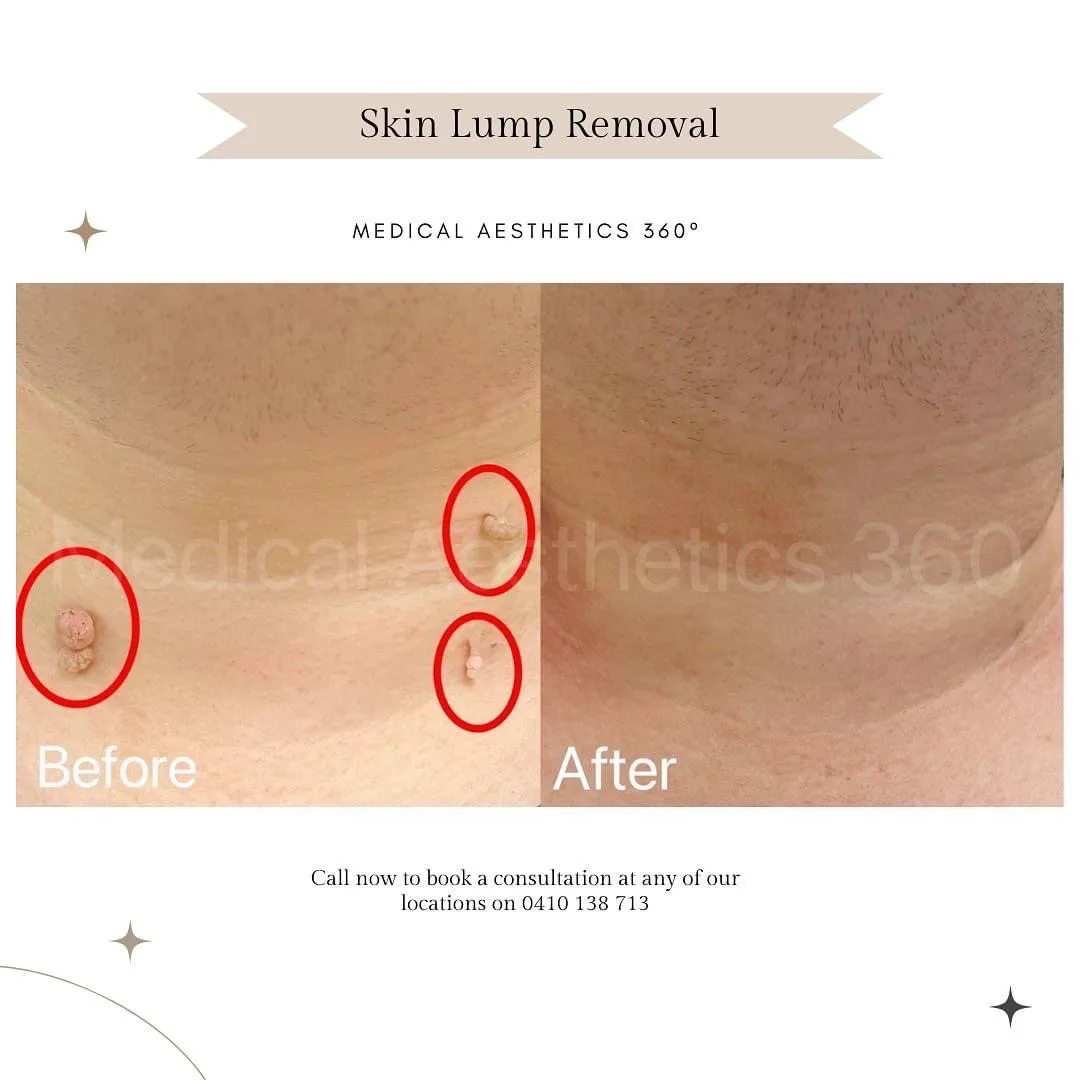
Multiple recurrent neck skin tags were reviewed for a treatment plan using Erbium:YAG laser where suitable.
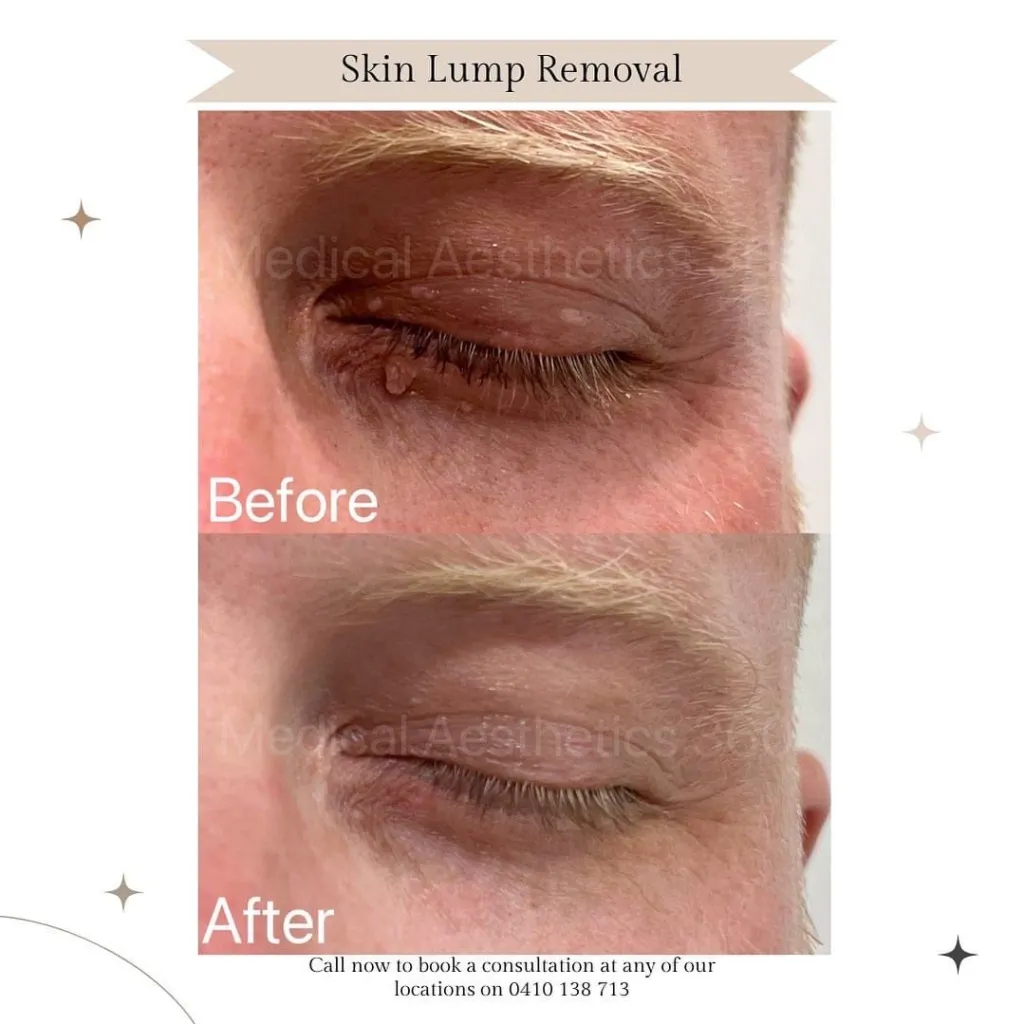
Eyelid lesions require careful planning because the skin is delicate and close to the eye.
Removal may be suitable for selected lesions that are uncomfortable, catch on clothing or jewellery, become repeatedly irritated, bleed from friction, or affect the appearance of the skin. Suitability is confirmed after assessment.
Visible and friction-prone areas need different planning. The face, eyelids and lip area are more delicate, while body folds may be more prone to rubbing and recurrence.
The best approach is not one device for everything. The method should match the lesion, the area treated and the desired healing outcome.
Erbium:YAG laser is often considered for selected superficial or raised lesions, particularly where controlled treatment and cosmetic finish are important.
CO2 laser may be considered for thicker or more fibrous lesions, depending on the doctor's assessment, lesion type and healing priorities.
A clear process helps support both safety and cosmetic healing.
The lesion is assessed first to determine what is being treated and whether removal is appropriate.
The method is selected according to size, thickness, location, skin type, diagnosis and cosmetic priorities.
You receive clear post-treatment advice to support healing, scar care and sun protection.
A strong result is about both removal and how well the skin heals afterwards. Depending on the lesion and treatment area, the skin may look pink, slightly raw, dry or lightly scabbed during the early healing phase.
This usually improves as the skin recovers. Residual pinkness can continue to settle over time, particularly in visible or delicate areas.
A consultation allows the lesion to be assessed so the safest and most suitable treatment pathway can be recommended.
No. The most appropriate method depends on lesion type, size, thickness, body location, skin type and healing considerations.
Every skin procedure can carry some possibility of marking. The aim is to achieve the neatest cosmetic result possible with careful planning, precise treatment and appropriate aftercare.
Downtime is often minimal for many patients, but redness, dryness, crusting, tenderness or residual pinkness can occur during healing.
Pricing varies depending on lesion type, number, size, location and recommended method. A personalised quote is provided after assessment.